
How to taste
Temperature, utensils, quantities and pairings: a few tips to reveal all the flavours of caviar, whether for a first tasting or to brush up on the right habits.
What makes a great caviar
Three things to know before you choose: the time the sturgeon needs, the way the grain is salted, and the guarantee of its origin.
-
1
The sturgeon's time
Caviar takes time. Depending on the species, it generally takes seven to ten years of farming before a female produces her first roe. A patience that is essential to obtaining quality caviar.
-
2
Malossol, “lightly salted”
Malossol means “lightly salted” and refers to a traditional method of salting caviar. By limiting the amount of salt, it preserves the natural flavours of the caviar and the texture of its grains.
-
3
A controlled origin
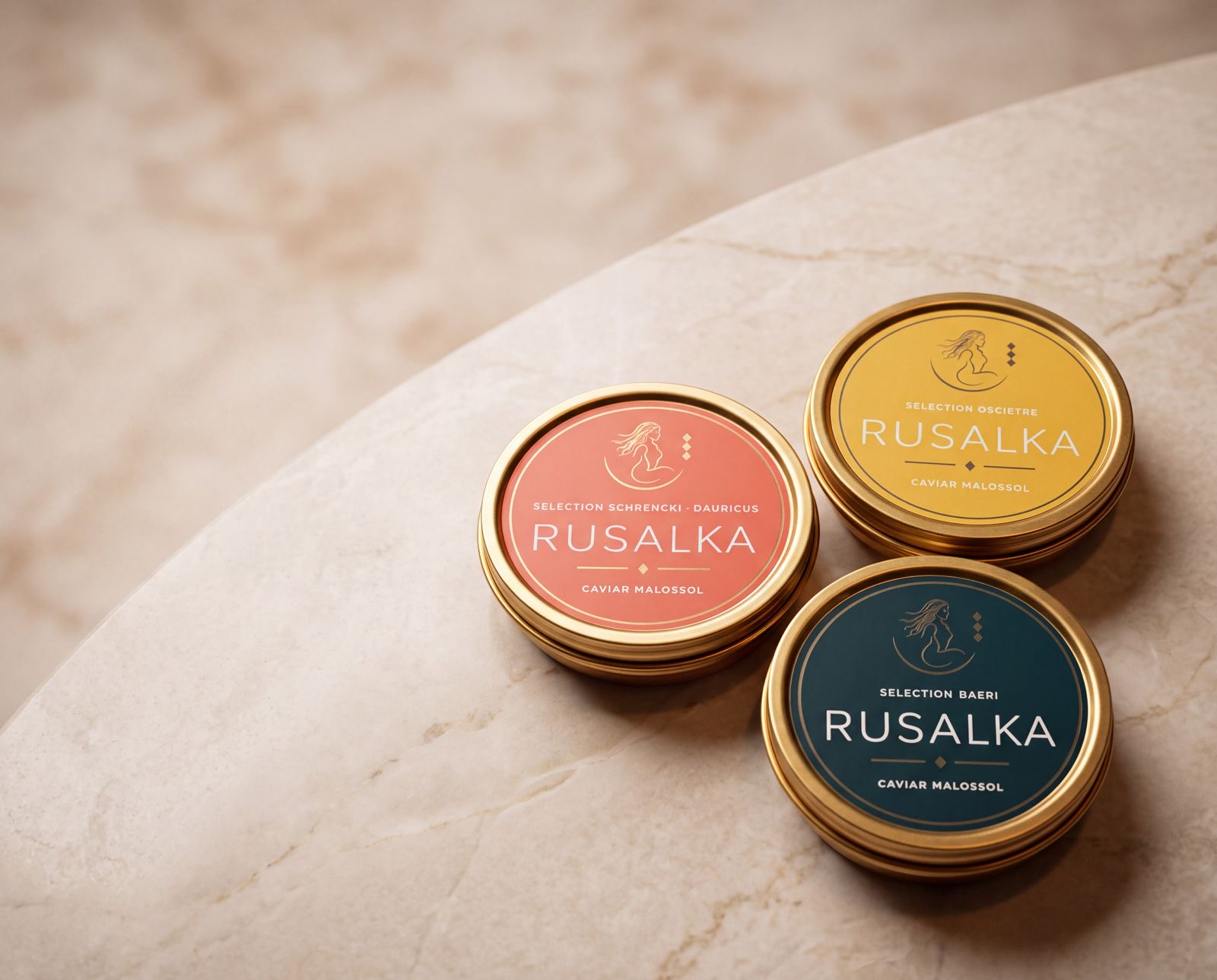
Our caviars come from controlled aquaculture. Each tin is identified to ensure the product’s traceability, from its species to its origin.
Six rules that elevate the flavour
-
1
Serving temperature
Take the tin out of the fridge a few minutes before serving, keeping it cold (ideally on ice). Too cold, caviar stays silent: the aromas close up and the grain feels hard. A few minutes are enough for it to regain its suppleness and reveal its notes of butter, hazelnut or the sea.
Beyond that, warmth quickly spoils it. For a longer service, set the open tin on a bed of crushed ice: the caviar stays fresh without becoming too cold.
-
2
Utensils
Serve caviar with a mother-of-pearl spoon. Metal, whether silver or stainless steel, can leave a metallic aftertaste and mask the delicacy of the grain.
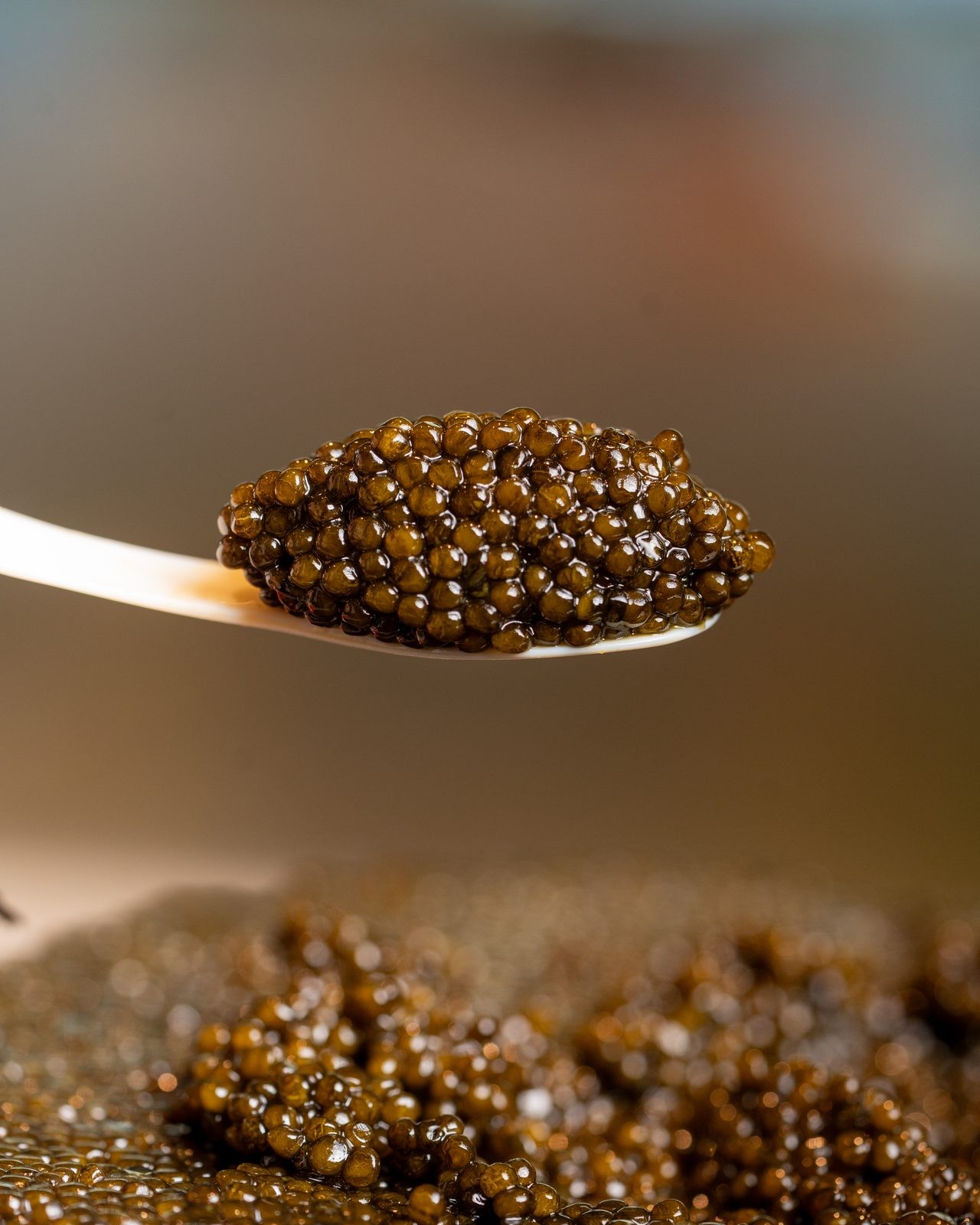
Mother-of-pearl is the traditional material: neutral on the palate, smooth to the touch, it does not mark the grains. Lift the caviar gently from the surface, without crushing it or stirring it in the tin.
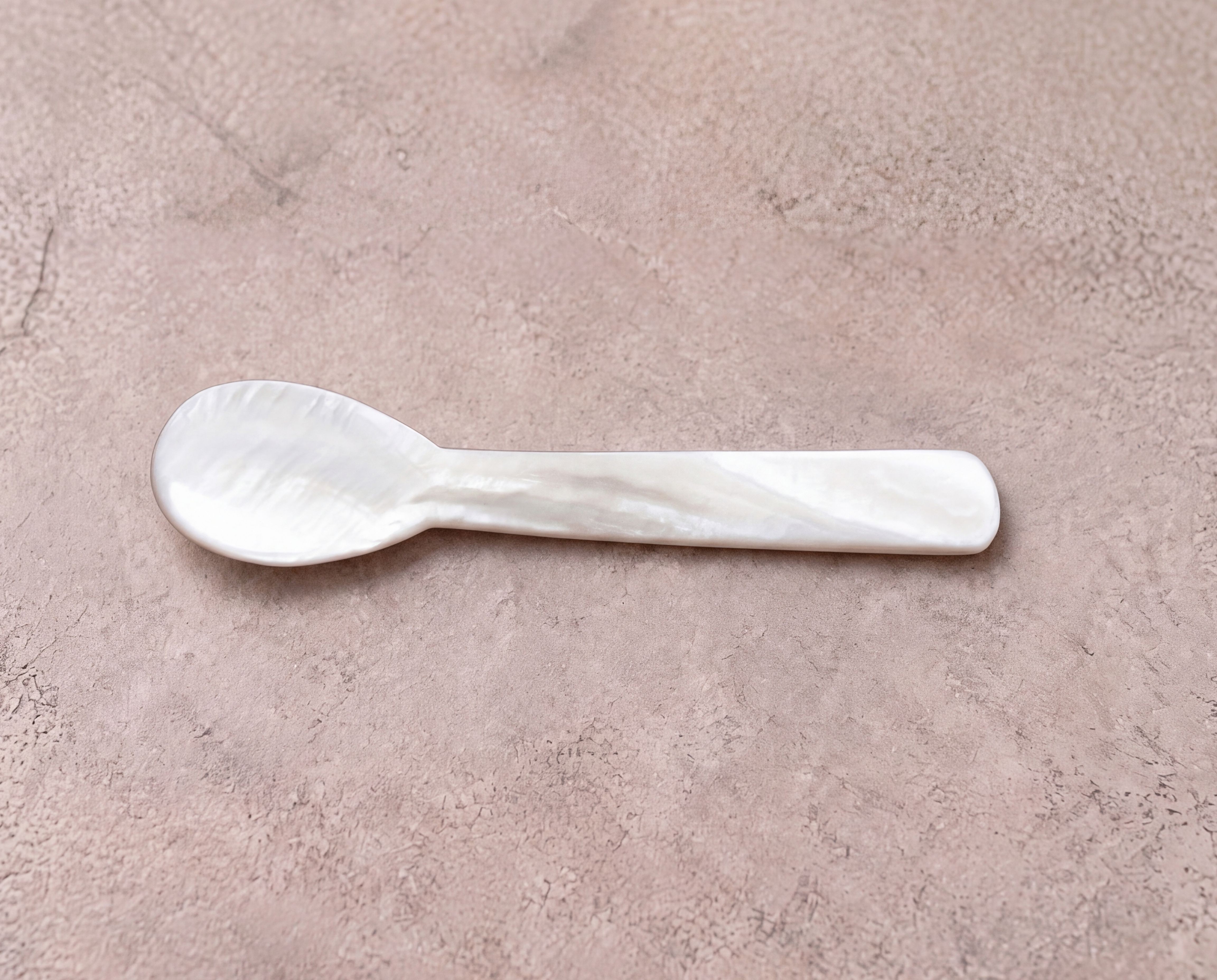 Mother-of-pearl spoonCHF 9.– / piece
-
3
Quantities & buying guide
It all depends on the moment: a few grams are enough for a bite with drinks, while a true spoon tasting calls for more. The table below gives guidelines per person and the matching tin size.
Occasion / person Size Guests Tasting for two 25–30 g 50 g 2 Drinks with friends 20–25 g 125 g 4–6 Refined dinner 40–50 g 125–250 g 3–4 Grand occasions 30–40 g 250–500 g 6–10 Gastronomic service 60–80 g 250–500 g 3–4 “These quantities are guidelines. True connoisseurs always order one size up.”
-
4
Accompaniments
The purest way is to taste it on its own, from the spoon, or on the back of the hand.
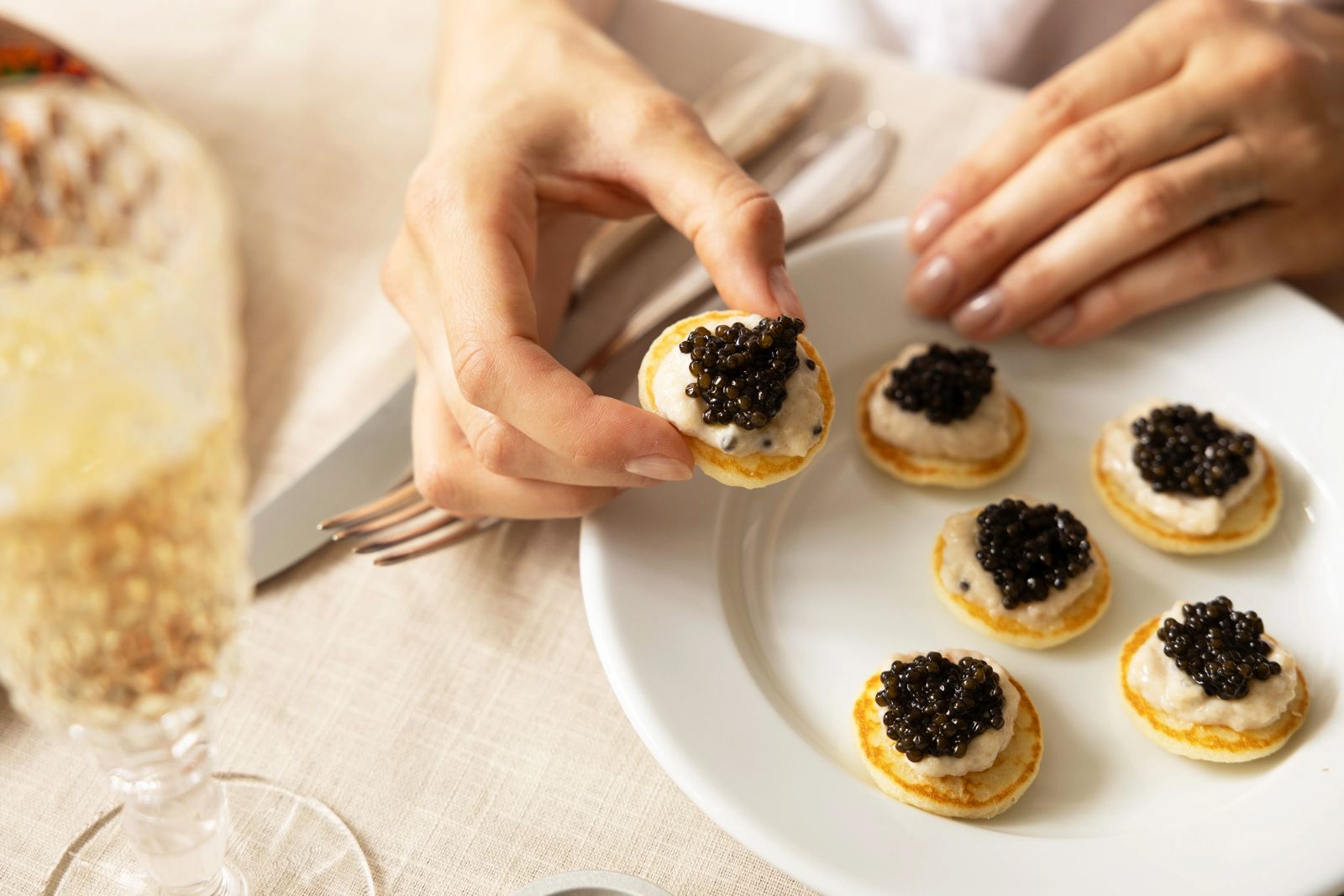
To accompany it, keep things simple and neutral: warm blinis, unsalted crème fraîche, a soft-boiled egg, crushed potatoes and toast. Caviar is already salted: avoid lemon, onion and condiments that overpower its delicacy. To go further, explore our recipes.
-
5
Drink pairings
Brut champagne, ideally with little or no dosage, is the classic pairing: its bubbles and liveliness cleanse the palate between bites. Vodka, served ice-cold and drunk neat, is the traditional Russian pairing.
A dry, mineral white wine or a sake also works very well. Avoid red and tannic wines, however, which harden the caviar and bring out a metallic bitterness. And if you prefer something alcohol-free, a still, low-mineral water leaves the stage entirely to the grain.
-
6
After opening
Unopened, the tin keeps in the fridge between 0 °C and +4 °C, in the coldest part, until the date shown on the label.
Once opened, close it tightly, keep it cold and enjoy it within 24 hours at most. In contact with air, caviar oxidises and gradually loses its freshness: better to choose a size suited to the number of guests than to keep leftovers.
Find the selection that suits you
Answer three questions to receive a recommendation, or compare our three caviars side by side.